Cockroach
The German cockroach is the most common domestic species, especially in warm indoor environments.
What our notes say
- The German cockroach is the most common domestic species, especially in warm indoor environments. (Medical Entomology MCQs 2 — Parasitology)
- Which species of cockroach is most commonly found in hospitals and food establishments?A. (Medical Entomology MCQs 2)
- Blattella germanicaExplanation: The German cockroach is the most common domestic species, especially in warm indoor environments. (Medical Entomology MCQs 2)
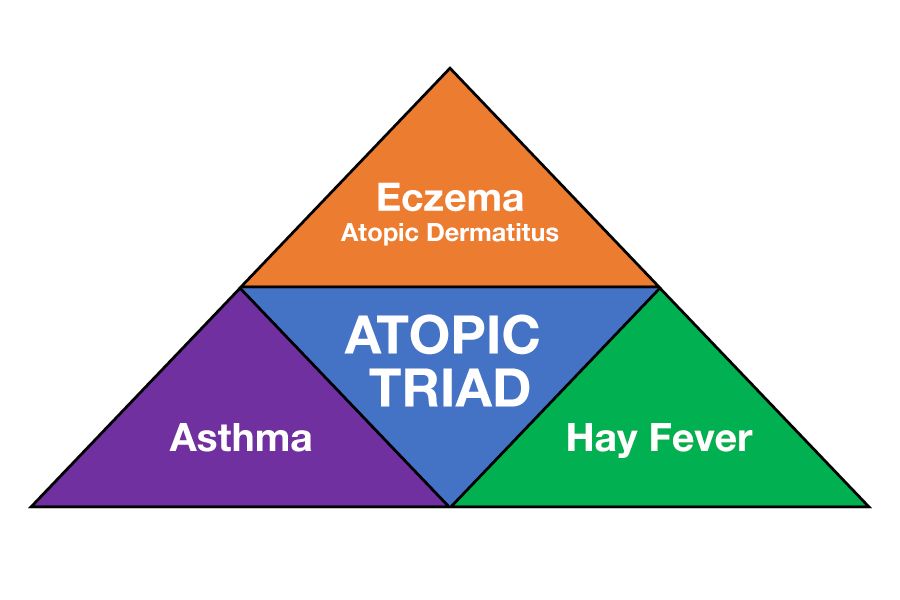
- Environmental triggers and exposure: house dust mite, pollen, pets, cockroach and mould; tobacco smoke (including in pregnancy); air pollution and smoke from indoor cooking fires. (Paediatrics main exam (MBPE 4300): 24 January 2022, Paper One, 100 MCQs, 2 short)
- | Allergens (house dust mite, pollen, cockroach, pets, moulds) | IgE-mediated type I hypersensitivity | (Bronchial Asthma: Pathophysiology, Diagnosis and GINA Stepwise Management)
- Ecdysis (molting) → allergic reactions/asthma; ~10% of non-asthmatics show cockroach allergy (sneezing, rash, sore eyes, respiratory distress, severe cases → shortness of breath) (YEAR 3 PARASITOLOGY NOTES)
Study material on Cockroach
Images
Practice questions on Cockroach
Boric acid powder works as a cockroach control agent primarily through
- Neurotoxicity affecting the nervous system
- Contact and stomach poison causing dehydration
- Suffocation by blocking spiracles
- Repelling cockroaches from treated areas
- Reduced by routine feedback control
Answer: B. Boric acid acts as both a contact and stomach poison. It adheres to the cockroach's body, is ingested during grooming, and causes dehydration by damaging the exoskeleton and digestive system. --- ## SECTION C: FLIES - MUSCIDAE, FANIDAE & TABANIDAE (Questions 17-24) ---