Tibia
It is performed on the anteromedial surface of the tibia shaft 2 cm below the tibial tuberosity
What our notes say
- It is performed on the anteromedial surface of the tibia shaft 2 cm below the tibial tuberosity (Paediatrics end of 2nd semester exam (MBPE 4300): 5 October 2021, 50 MCQs)
- Osteoid osteoma: small (under 2cm), causes severe night pain that is dramatically relieved by aspirin (because the tumour produces prostaglandins, which aspirin blocks) — commonly in the proximal tibia (Bone & Soft Tissue Tumour Pathology: Must-Know Diagnoses)
- The needle goes into the flat anteromedial surface of the proximal tibia, 2 to 3 cm below the tibial tuberosity. (Paediatrics end of 2nd semester exam (MBPE 4300): 5 October 2021, 50 MCQs)
- • Felt about 1-2 cm below and behind the medial malleolus of the tibia (Cardiovascular system examination revised 2012 — Past Paper Questions & Answers)
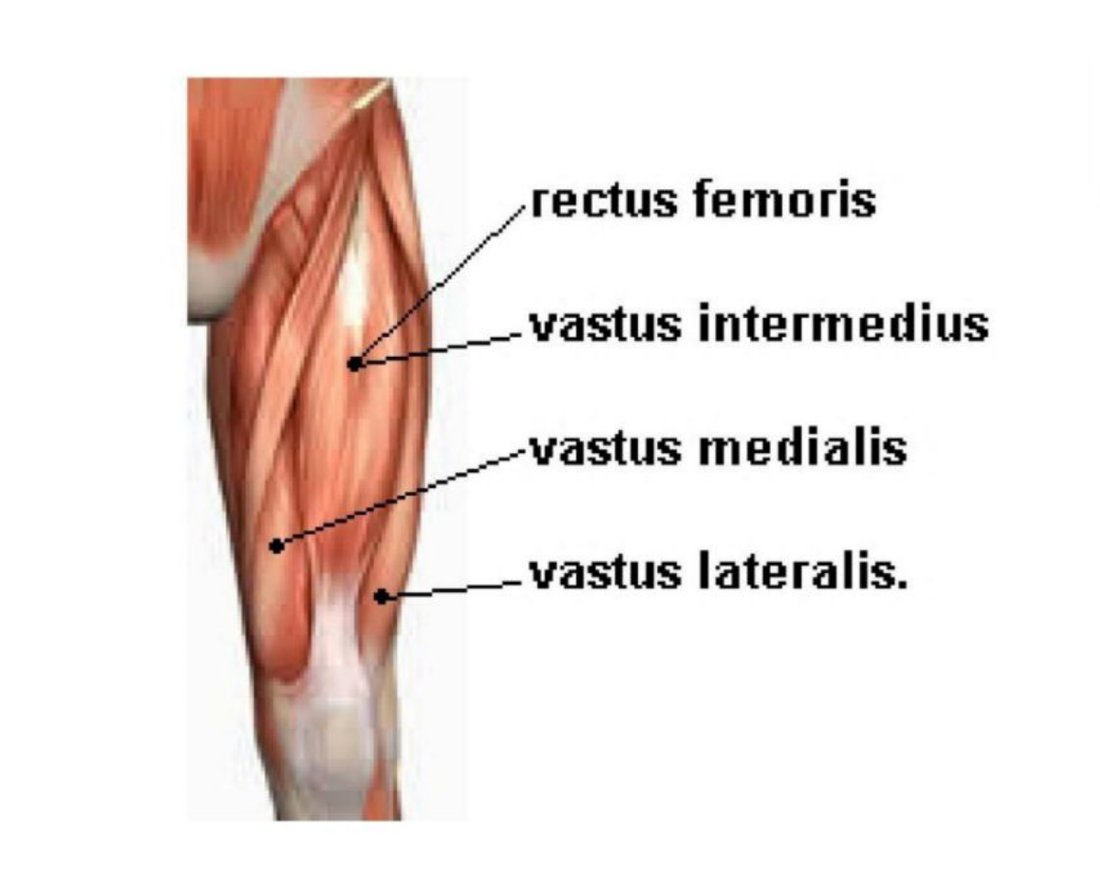
- Surface landmarks: patella (kneecap), patellar tendon, medial joint line, lateral joint line, quadriceps muscle, hamstring muscle group, tibia, anterior tibial tuberosity (insertion of the patellar tendon), and femur. (muscuskeletal exam — Past Paper Questions & Answers)
- The medial and lateral menisci sit on top of the tibia, providing a cushioned articulating surface between the femur and tibia. (muscuskeletal exam — Past Paper Questions & Answers)
Study material on Tibia
- muscuskeletal exam
- Bone & Cartilage Tumors: Osteoma to Osteosarcoma Pathology
- Aponeurosis — Anatomy Question Bank
- Bone &Soft Tissue yr3 2025 — Past Paper Questions & Answers
Images
Practice questions on Tibia
A 15-year-old boy complains of severe nocturnal pain in the proximal tibia. The pain is dramatically relieved by aspirin. Radiography reveals a small radiolucent nidus surrounded by dense reactive bone. What is the most likely diagnosis?
- Osteoblastoma
- Osteoid osteoma
- Osteosarcoma
- Enchondroma
- Ewing sarcoma ✅ Answer: A
Answer: A. The classic presentation of a small radiolucent nidus, dense reactive bone, nocturnal pain, and dramatic relief with aspirin is characteristic of osteoid osteoma (B). Osteoblastoma (A) is typically larger and less responsive to NSAIDs.
A 10-year-old child presents with fever and severe pain in the metaphysis of the tibia. Blood culture grows Staphylococcus aureus. Which diagnosis is most likely?
- Osteosarcoma
- Osteoid osteoma
- Pyogenic osteomyelitis
- Ewing sarcoma
- Chondroma ✅ Answer: A
Answer: A. Fever, severe pain in the metaphysis of a long bone, and positive blood culture for *Staphylococcus aureus* are classic signs of pyogenic osteomyelitis (C). Osteosarcoma (A) is a malignant tumor and does not typically present with fever or positive blood cultures.
The 'screw-home' mechanism of the knee joint involves passive medial rotation of the femur on the tibia during terminal extension. This mechanism causes tightening of which primary ligament, contributing to knee stability?
- Fibular (lateral) collateral ligament
- Tibial (medial) collateral ligament
- Posterior cruciate ligament
- Patellar ligament
Answer: B. The screw-home mechanism tightens both the collateral and cruciate ligaments, but the tibial (medial) collateral ligament is particularly important in resisting external rotation and providing stability in full extension, along with the anterior cruciate ligament. The question asks for a primary ligament that becomes tight due to the mechanism, and the MCL is a strong contributor to full extension stability.