Hypersensitivity
Heiner syndrome is a milk-induced pulmonary hypersensitivity that resolves on a milk-free diet.
What our notes say
- Heiner syndrome is a milk-induced pulmonary hypersensitivity that resolves on a milk-free diet. (Paediatrics end of 2nd semester exam (MBPE 4300): 5 October 2021, 50 MCQs)
- A hypersensitivity response of the immune system is noted to be stimulated by release of IL-4 and IL-5. (Immunopathology complete mcqs — Past Paper Questions & Answers)
- These atopic asthmatic episodes in children are usually initiated by a type I hypersensitivity reaction, typically with exposure to an allergen such as pollen from goldenrod or other flowering plant. (Respiratory system pathology mcqs — Past Paper Questions & Answers)
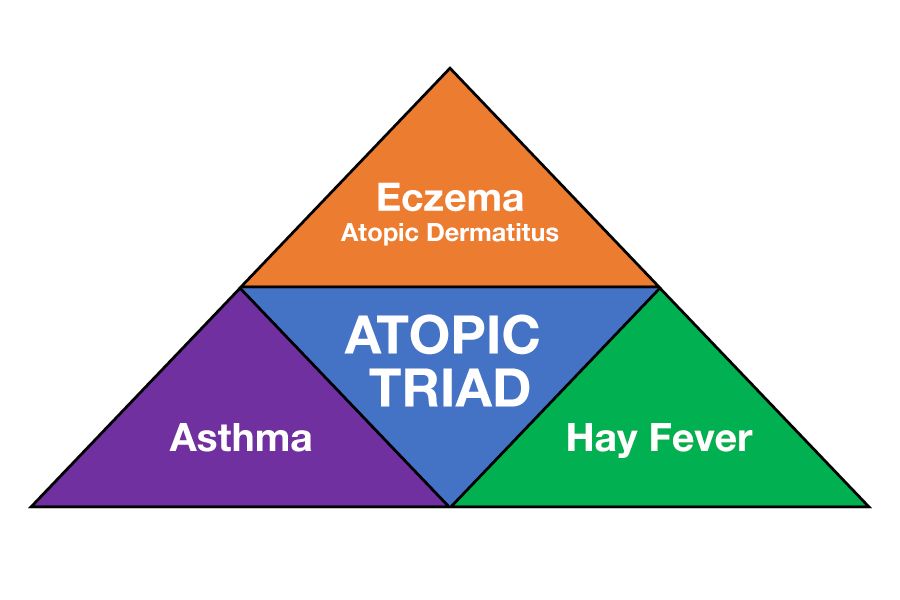
- Atopy (type 1 hypersensitivity) in most childhood and allergic asthma. (Asthma)
- | Known cause | Occupational (silica, asbestos, coal), drugs (amiodarone, methotrexate, nitrofurantoin, bleomycin), radiation, hypersensitivity pneumonitis (farmer's lung, bird fancier's lung) | (Interstitial Lung Diseases)
- Hypersensitivity pneumonitis: immune reaction to inhaled organic antigens (mouldy hay: farmer's lung; birds: bird fancier's lung); acute (flu-like 4–8 hours after exposure) or chronic fibrosis. (Interstitial Lung Diseases)
Study material on Hypersensitivity
- Immunopathology Cat: Hypersensitivity & Anaphylaxis MCQs
- Immunopathology complete mcqs
- Immunopathology
- Respiratory Pathology 1b
- Lung Pathology — Must-Know
- Pharmco Notes
- Respiratory system pathology mcqs
- End Sem Cat: Respiratory Pathology: Emphysema, ARDS, Pneumoconiosis
- Skin & Breast Pathology CAT: MKU Year 3 Medicine Exam
- Pharmacology CRASH Course
- Respiratory Pathology 1b
- Respiratory Pathology 1b
- Immuno Patho MCQS
- Immunopathology mcqs — Source Paper Awaiting Edit
- Weekly Year 2: Cellular Immunology Exam - March 27, 2026 (Section A: MCQs)
Images
Practice questions on Hypersensitivity
A hypersensitivity response is noted to be stimulated by release of IL-4 and IL-5, accompanied by eosinophilia. This response is most likely directed against which of the following?
- Amyloid protein
- Spirochetes
- Neoplasms
- Inhaled dusts
- Liver flukes
Answer: E. * Tissue-invasive parasitic infestations can trigger an eosinophilic response driven by a TH2 immune reaction with IL-4 and IL-5. The parasite can also trigger an IgE response via Fc receptors on mast cells, eosinophils, and basophils, causing degranulation and cytokine release. ---
A positive tuberculin skin test, with a firm 15 mm diameter dark red area of induration on the forearm, appears 60 hours after injection of purified protein derivative (PPD). This finding is most likely a consequence of which type of hypersensitivity reaction?
- Type I hypersensitivity
- Type II hypersensitivity
- Type III hypersensitivity
- Type IV hypersensitivity
- Complement activation
Answer: D. * The tuberculin skin test relies on an intact cell-mediated immune response. It is positive with prior mycobacterial exposure, so memory T cells are present and can be reactivated. ---
Which syndrome is characterized by hypersensitivity to ionizing radiation due to defects in homologous recombination DNA repair?
- Lynch syndrome
- Xeroderma pigmentosum
- Ataxia-telangiectasia
- Li-Fraumeni syndrome
Answer: C. ** Ataxia-telangiectasia involves defects in homologous recombination DNA repair and is characterized by hypersensitivity to DNA-damaging agents like ionizing radiation. ---
A hypersensitivity response is stimulated by IL-4 and IL-5 release and is accompanied by eosinophilia. This response is most likely directed against which of the following?
- Amyloid protein
- Inhaled dusts
- Liver flukes
- Spirochetes
Answer: C. IL-4 and IL-5 are TH2 cytokines that drive IgE production and eosinophilia. This response is characteristic of parasitic (helminth) infections such as liver flukes that invade tissues. ---
Twelve hours after hiking through dense foliage, a 40-year-old man develops a raised, tender reddish rash on his uncovered forearm that intensifies over 2 days then fades over 2 weeks. Most likely hypersensitivity mechanism?
- Type I hypersensitivity
- Type II hypersensitivity
- Type III hypersensitivity
- Type IV hypersensitivity
Answer: D. Delayed onset (12 hours), progressive rash from plant contact = contact dermatitis (poison ivy). This is a classic type IV (cell-mediated, delayed-type) hypersensitivity reaction mediated by T lymphocytes. ---
A 9-year-old boy develops dark urine and hematuria 17 days after streptococcal pharyngitis. Renal biopsy shows granular IgG and complement deposition around glomerular capillary loops. Most likely hypersensitivity mechanism?
- Type I
- Type II
- Type III
- Type IV
Answer: C. Granular immune complex deposition in glomeruli following strep infection = poststreptococcal glomerulonephritis, a classic type III hypersensitivity reaction. Streptococcal antigens form complexes that deposit in the kidney. ---