Metaplasia
Metaplasia is a change of normal epithelium to another type and is not reversible
What our notes say
- Metaplasia is a change of normal epithelium to another type and is not reversible (Year 4 Gynaecology CAT (MBOG 4212): 15 March 2019, 39 of 40 MCQs)
- Metaplasia is a reversible adaptive change in the type of epithelium. (Year 4 Gynaecology CAT (MBOG 4212): 15 March 2019, 39 of 40 MCQs)
- The lesion persists, and 6 months later another biopsy is taken and shows ductal epithelial proliferation with ductal apocrine metaplasia, stromal fibrosis, and sclerosing adenosis. (Breast mcqs — Past Paper Questions & Answers)
- Metaplasia is reversible replacement of one mature cell type by another; columnar metaplasia in Barrett oesophagus increases the risk of adenocarcinoma (Aponeurosis — Histology Question Bank)
- One of the following is not a common site for columnar to squamous epithelium metaplasia: (Medical MCQs: Chemical Pathology & Haematology Exam Review)
- Microscopic: Metaplastic columnar epithelium with goblet cells (intestinal metaplasia) replacing the normal stratified squamous epithelium of the esophagus. (Gi sem2 patho — Past Paper Questions & Answers)
Study material on Metaplasia
- Pathology CAT 1: Cell Injury, Metaplasia & Hypoxia Q&A
- General Pathology MCQs: Fixatives, FNA, Endocrine & ARDS
- GASTROINTESTINAL PATHOLOGY (Part 1)
- DISORDERS OF THE LOWER URINARY TRACT — Revision Notes
- Lower Urinary Tract & Ureter Pathology: Obstruction & Tumors
- Medical MCQs: Chemical Pathology & Haematology Exam Review
- Exam Prep: Skin Infections, Psoriasis & Pemphigus
- Respiratory System Pathology 1A
- Gastrointestinal Neoplasms: High-Yield Exam Review
- General Pathology Revision: Cell Injury, Inflammation & Adaptation (MBPA 3500 Paper 1)
- Cell injury mcqs — Past Paper Questions & Answers
- MCQ: GASTROINTESTINAL PATHOLOGY — 60 MCQs (Redistributed Answers)
Images
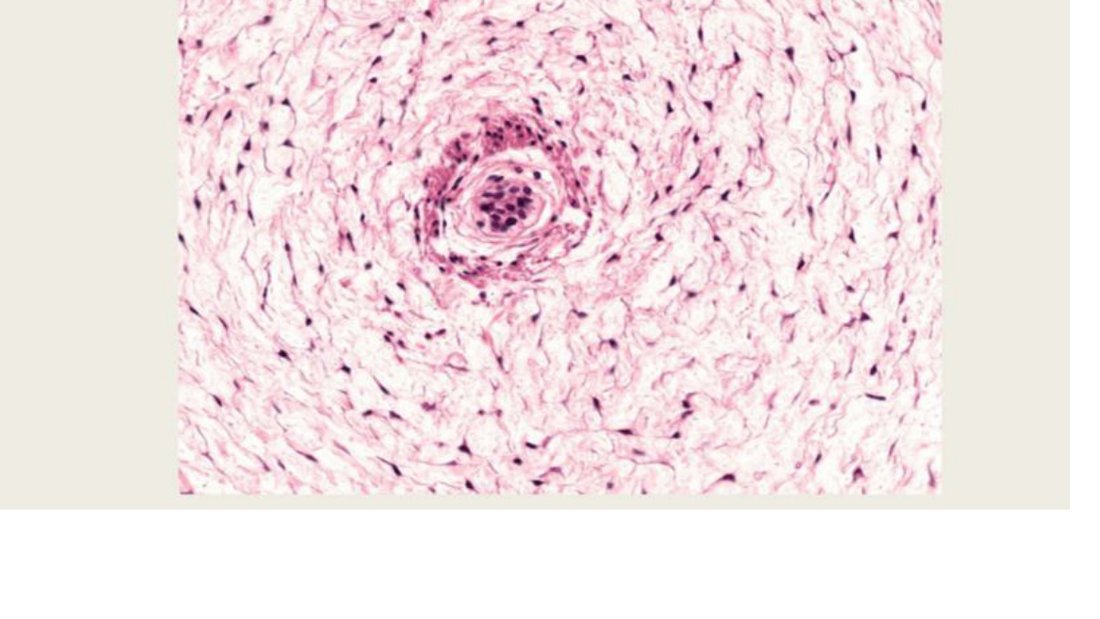
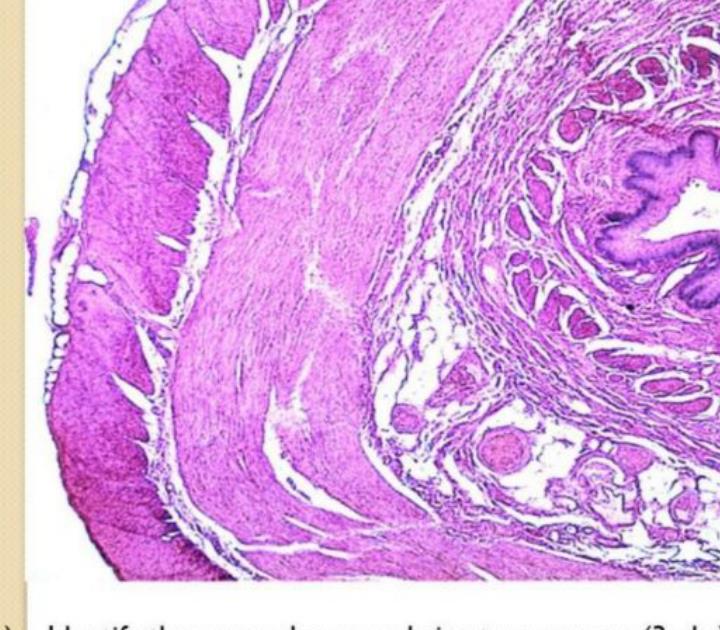
Practice questions on Metaplasia
A study is performed to identify predisposing risks for tissue cellular changes. In some persons epithelial metaplasia occurs. In which of the following situations is the process of epithelial metaplasia most likely to take place?
- Tanning of the skin following sunlight exposure
- Lactation following pregnancy
- Vitamin A deficiency
- Acute myocardial infarction
- Urinary obstruction from an enlarged prostate
Answer: C. Vitamin A is necessary to maintain epithelia, and squamous metaplasia of the respiratory tract may occur if there is vitamin A deficiency. The stratified squamous epithelium does not function as well as the normal pseudostratified columnar respiratory epithelium, and there is an increased risk for respiratory infections. ---
One of the following best describes metaplasia;
- Change from one adult cell type to another adult type
- Increase in number of cells in an organ or tissue
- Increase in individual cell size
- Decrease in individual cell type
- Disordered growth and maturation of cells ✅ Answer: A
Answer: A. Metaplasia is a reversible change in which one differentiated adult cell type is replaced by another differentiated adult cell type, often in response to chronic irritation.
A 60-year-old female with a history of long-standing GERD undergoes an upper endoscopy. Biopsies from the distal esophagus show intestinal metaplasia with goblet cells. What is the significance of this finding?
- Benign change with no increased risk
- Eosinophilic esophagitis
- Barrett's esophagus with increased risk of adenocarcinoma
- Chronic esophagitis
Answer: C. The presence of intestinal metaplasia with goblet cells in the esophagus is known as Barrett's esophagus, which is a premalignant condition associated with a significantly increased risk of esophageal adenocarcinoma. ---
A 60-year-old male with a history of H. pylori infection and peptic ulcer disease undergoes an upper endoscopy. Biopsy of a gastric ulcer shows intestinal metaplasia and dysplasia. What is the most concerning implication of this finding?
- Increased risk of gastric lymphoma
- Increased risk of gastric adenocarcinoma
- Increased risk of Zollinger-Ellison syndrome
- Increased risk of Helicobacter pylori reinfection
Answer: B. Intestinal metaplasia and dysplasia in a gastric ulcer, especially in the context of H. pylori infection, are significant risk factors for the development of gastric adenocarcinoma. ---
Metaplasia refers to ---
- Irregular, atypical proliferative changes in epithelial or mesenchymal cells
- Loss of cell substance producing shrinkage of the cells
- Replacement of one type of adult cell by another type of adult cell
- None of the above
Answer: C.