Cell Cycle
*p53 is the "guardian of the genome" — its central protective role is triggering cell-cycle arrest and, if DNA damage is irreparable, apoptosis.
What our notes say
- *p53 is the "guardian of the genome" — its central protective role is triggering cell-cycle arrest and, if DNA damage is irreparable, apoptosis. (General Pathology MCQs: Cancer, Tumors & Molecular Path Review)
- Most cells within cancerous tumours are typically in the G0 and G1 cell cycle phase (Oncopathology MCQs: Test Your Knowledge on Cancer Pathology)
- E6 protein binds to and promotes degradation of the p53 tumor suppressor protein → loss of cell cycle control and apoptosis. (Female rep y3 — Past Paper Questions & Answers)
- RB gene, 'the guardian of the genome' regulates the cell cycle at (Pathology Continuous Assessment July 2021)
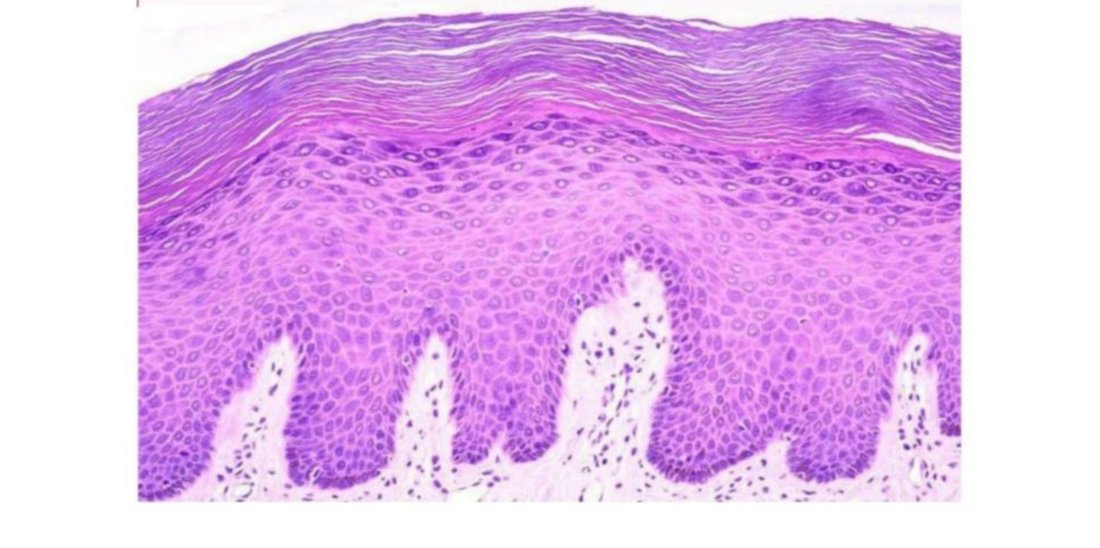
- Q4: Epithelial type displayed and one site; cell cycle phases (2+2 marks) (Aponeurosis — Histology Question Bank)
- Cell cycle phase for preparation for DNA replication: G1 phase (Aponeurosis — Histology Question Bank)
Study material on Cell Cycle
- Molecular Basis of Cancer: Cell Cycle, Apoptosis & Angiogenesis
- Hallmarks of Cancer: Molecular Basis, Cell Cycle & Oncogenes
- Chemotherapy Drugs: Cell Cycle Phase & Mechanism Explained
- Cancer Pharmacology: Cell Cycle, Oncogenes & Drug Targets
- Cell Cycle & Chemotherapy: Drug Mechanisms & Phases
- ONCOPATHOLOGY - MCQs WITH EXPLANATIONS
- ONCOPATHOLOGY - 30 KEY SHORT ANSWER QUESTIONS Hallmarks 1,2 & 3
- Pharmacology CRASH Course
- ONCOPATHOLOGY - SHORT ANSWER QUESTIONS (SAQs)
- Aponeurosis — Histology Question Bank
- Cell Cycle & Chemotherapy: Drug Mechanisms & Phases — Practice Questions
- TUMOR SUPPRESSOR GENES & CELL CYCLE CONTROL MCQs
- ONCOPATHOLOGY MCQ EXAMINATION HAllmarks of Cancer 1,2 &3
- Weekly Pathology Exam - July 24, 2026 (Section A: MCQs)
- Weekly Pathology Exam - July 17, 2026 (Section A: MCQs)
- Weekly Pathology Exam - July 10, 2026 (Section A: MCQs)
Images
Practice questions on Cell Cycle
A 17-year-old truck driver is involved in a collision. He incurs blunt force abdominal trauma. In response to this injury, cells in tissues of the abdomen are stimulated to enter the G1 phase of the cell cycle from the G0 phase. Which of the following cell types is most likely to remain in G0 following this injury?
- Smooth muscle
- Endothelium
- Skeletal muscle
- Fibroblast
- Hepatocyte
Answer: C. Skeletal and cardiac muscle cells do not typically proliferate in response to injury, and necrotic cells are replaced by connective tissue. Remaining striated muscle cells, however, can undergo hypertrophy. ---
The "point of no return" in the cell cycle, after which cells are committed to division, occurs at
- G2/M checkpoint
- M phase
- G1/S transition
- G0 phase
Answer: C. The G1/S transition (restriction point) is the critical decision point. Once cells pass this checkpoint, they are committed to completing the cell cycle. ---
p21, p27, and p57 belong to which family of cell cycle regulators?
- Cyclins
- CDKs
- Cip/Kip family of CDK inhibitors
- INK4/ARF family
Answer: C. p21, p27, and p57 are members of the Cip/Kip family of CDK inhibitors that bind and inactivate cyclin-CDK complexes. p21 is transcriptionally activated by p53. ---
Cyclin E primarily functions in the cell cycle to
- Initiate mitosis
- Phosphorylate RB in G1
- Stimulate DNA synthesis at G1/S transition
- Breakdown nuclear membrane
Answer: C. Cyclin E, activated by E2F, forms cyclin E-CDK2 complex that promotes progression through S phase and DNA synthesis. It acts after cyclin D initiates RB phosphorylation. ---
Why is the S phase considered the "point of no return" in the cell cycle?
- Apoptosis cannot occur after S phase
- DNA synthesis commits the cell to complete division
- All checkpoints are disabled after S phase
- Telomeres are elongated in S phase
- This is why the G1/S checkpoint is critical for detecting and responding to damage.
Answer: B. Once DNA replication begins in S phase, the cell is committed to completing the cell cycle. This is why the G1/S checkpoint is critical for detecting and responding to damage. ---
What is the critical cell cycle checkpoint controlled by the RB gene?
- G2/M transition
- M/G1 transition
- G1/S transition
- S/G2 transition
- Reduced by routine feedback control
Answer: C. The Rb gene exerts antiproliferative effects by controlling the G1/S transition of the cell cycle, preventing cells from entering S phase inappropriately. ---