Liver
Oral drugs go through the liver first (first-pass metabolism). | Intramuscular and depot injections help in agitation and when adherence is poor. |
Liver:
- Glycogenolysis becomes the immediate source of glucose during early fasting.
- Gluconeogenesis increases to maintain blood glucose (using lactate, glycerol, alanine).
- Fatty acid oxidation rises to provide ATP and acetyl-CoA for gluconeogenesis.
- Ketogenesis begins after prolonged fasting, forming ketone bodies from acetyl-CoA.
- Inhibition of glycolysis and lipogenesis due to low insulin levels.
Read this in Integrated Tissue Metabolism -LAQs and SAQs
LIVER
- Enlargement: Hepatomegaly
- Cells affected: Küpffer cells, vascular endothelial cells
- Hepatocytes: NOT affected
- Appearance: "Nutmeg" cut surface
- Function: Mostly preserved (slight ↓ prothrombin)
What our notes say
- Oral drugs go through the liver first (first-pass metabolism). | Intramuscular and depot injections help in agitation and when adherence is poor. | (Introduction to Psychopharmacology)
- | Metabolism | Mainly in the liver by cytochrome P450 (CYP) enzymes, such as CYP2D6, CYP3A4, CYP1A2 and CYP2C19. | Inhibitors raise drug levels (for example fluoxetine and paroxetine inhibit CYP2D6). (Introduction to Psychopharmacology)
- Routine tests to confirm or rule out medical conditions, prescribed medicines or illicit drug use as causes of psychiatric conditions: complete blood count, urine toxicology, kidney and liver function, thyroid function and autoimmune tests. (Psychiatry and Mental Health Curriculum: Year 4 (MKU))
- Complete blood count, urine toxicology, kidney and liver function tests, thyroid function tests and autoimmune tests, with imaging such as CT scan, MRI, EEG and ECG where needed. (Psychiatry and Mental Health Curriculum: Year 4 (MKU))
- | Valproate | Anticonvulsant mood stabiliser | Acute mania and prevention | Avoid in women who could become pregnant; liver, platelets, weight gain | (Bipolar and Related Disorders)
- | Co-amoxiclav | Penicillin plus β-lactamase inhibitor | Moderate to severe disease | Diarrhoea, liver injury | (Pneumonia)
Study material on Liver
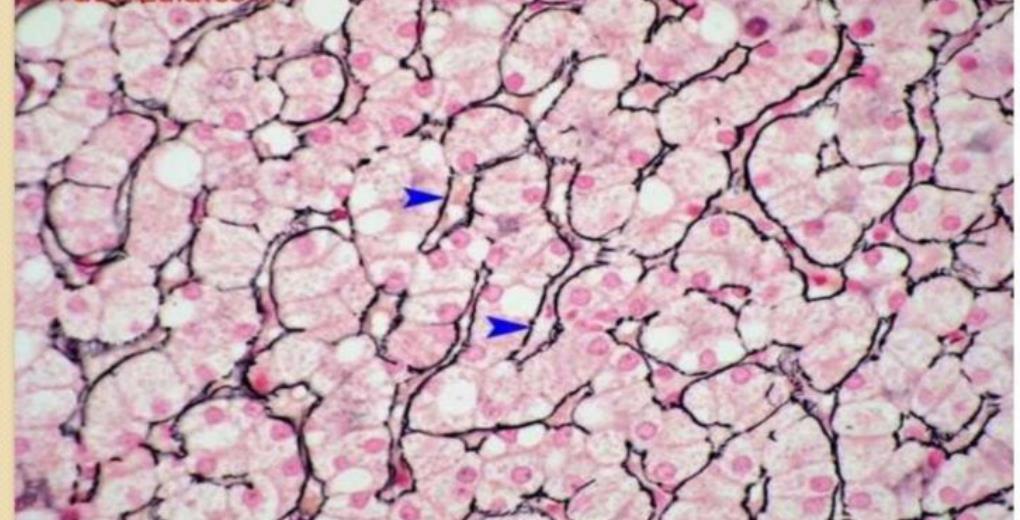
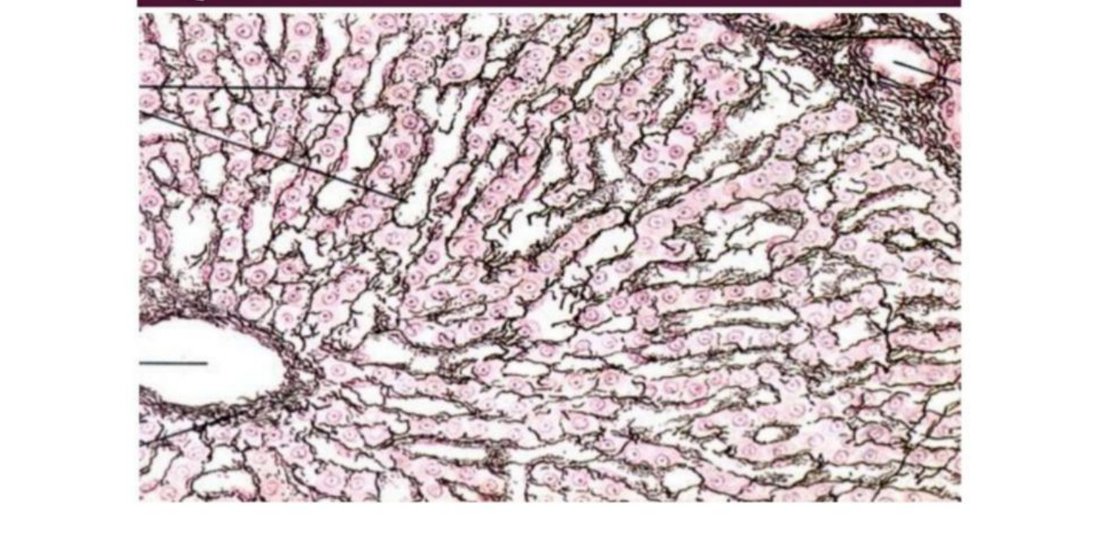
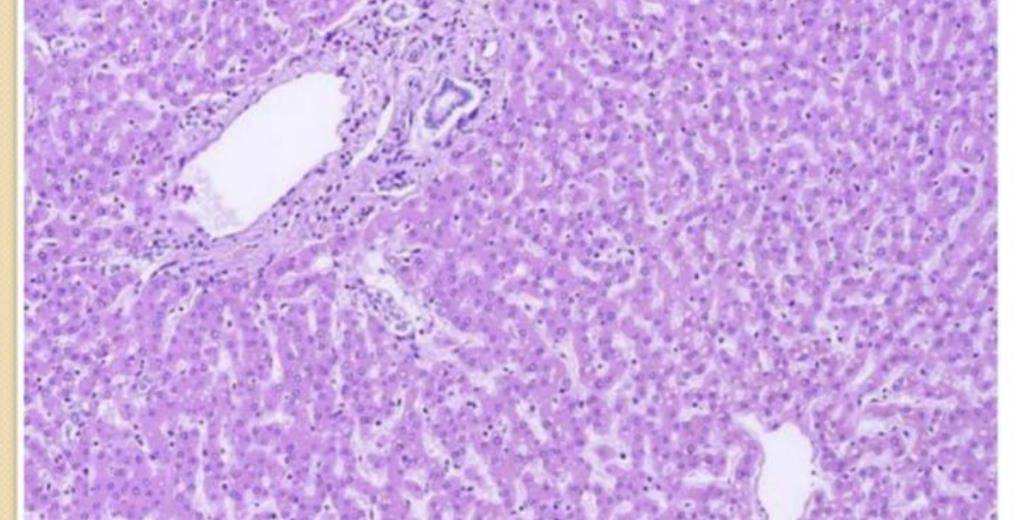
- Liver Histology & Physiology
- Liver Histology & Physiology
- Liver Function Tests (LFTs)
- Gastrointestinal and liver
- Liver Tumors: Benign and Malignant Overview
- Internal Medicine CAT 1 (MBChB 4), 2022: liver, pancreas and bone marrow, 30 MCQs and 2 short answers
- Liver Histology, Physiology and Pathology
- Internal Medicine 4th Year 1st Semester CAT: HIV and the gut, liver disease and pancreatitis, 30 MCQs and 2 short answers
- Chemical Pathology MCQs: Diabetes, Renal & Liver Disease
- The Heme and Liver
- Liver Tumors: Benign and Malignant Overview
- Liver Tumors: Benign and Malignant Overview
- Weekly Liver Histology and Physiology Exam - March 7, 2026 (Section A: MCQs)
- Liver Histology, Physiology and Pathology — Practice Questions
- Liver Histology, Physiology and Pathology — Practice Questions
- Liver Histology, Physiology and Pathology — Practice Questions
Images

Practice questions on Liver
A patient with carbon tetrachloride (CCl4) poisoning develops severe hepatotoxicity. The tissue MOST affected is the liver primarily because:
- Hepatocytes have the highest concentration of mitochondria
- The liver concentrates and metabolizes CCl4 via cytochrome P-450
- Hepatic blood flow is slower, allowing more exposure time
- Liver cells lack antioxidant defense mechanisms
Answer: B. CCl4 requires metabolic conversion by cytochrome P-450 to the toxic free radical •CCl3. The liver is most affected because it's the primary site of this metabolic conversion, not because of blood flow, mitochondrial content, or lack of antioxidants. This illustrates the principle that organs metabolizing toxins are most vulnerable to indirect chemical injury. ---
A 22-year-old woman has a congenital anemia. She has required multiple transfusions of red blood cells for many years. She now has a darker bronze colour to her skin on physical examination. Which of the following microscopic findings would most likely present in her liver?
- Steatosis in hepatocytes
- Bilirubin in canaliculi
- Hemosiderin in hepatocytes
- Glycogen in hepatocytes
- Amyloid in portal triads
Answer: C. There is 250 mg of iron in each unit of blood. The body has no mechanism for getting rid of excess iron. A small amount of iron is lost with normal desquamation of epithelia, and menstruating women will lose a bit more. The excess iron becomes storage iron, or hemosiderin. Over time, hemosiderosis involves more and more tissues of the body, particularly the liver, but also skin (bronze colour), heart (with heart fail
Glucokinase is to be found in the liver and in the pancreatic β-cells. Which of the following is NOT true about glucokinase?
- It is induced by insulin
- It is not inhibited by G-6-P
- Its affinity for glucose is higher than that of hexokinase
- Its Vmax value is higher than that of hexokinase
- Its Km is for glucose is higher than that of hexokinase ✅ Answer: C. Its affinity for glucose is higher than that of hexokinase
Answer: A. This is the false statement, which is what the question asks for: glucokinase actually has LOWER affinity for glucose (higher Km) than hexokinase, not higher. It is correctly not inhibited by G6P, is induced by insulin, and has a higher Vmax. ---
Which of the following enzymes can be used in the diagnosis of heart and liver damage?
- Glutaminase
- Alanine aminotransferase
- Glutathione synthetase
- Tyrosinase
- Phenylalanine hydroxylase ✅ Answer: B. Alanine aminotransferase
Answer: A. Alanine aminotransferase (ALT), together with AST, is a standard clinical marker used to help diagnose liver (and, for AST, cardiac) damage. ---
A 16-year-old boy is known to have X-linked lymphoproliferative syndrome. He presents acutely unwell with massive hepatosplenomegaly and liver failure following EBV infection. Which gene is mutated in this condition and what is its normal function?
- BRCA1 — normally repairs double-stranded DNA breaks
- SH2D1A — normally participates in activation of T cells, NK cells, and antibody production
- ATM — normally activates cell cycle checkpoints after DNA damage
- RAG1 — normally mediates antigen receptor gene rearrangement
Answer: B. X-linked lymphoproliferative syndrome is caused by mutations in SH2D1A, which encodes a signalling protein that participates in the activation of T cells and NK cells and in antibody production. Without this, the immune response to EBV is ineffective — leading to overwhelming fatal infection in >50% of cases, or lymphoma or hypogammaglobulinaemia in survivors. BRCA1, ATM, and RAG1 have entirely different functions. -
A 50-year-old immunocompromised man receives non-irradiated blood products after bone marrow transplantation. Two weeks later he develops an extensive skin rash, profuse diarrhea, rising liver enzymes, and severe pancytopenia. Most likely diagnosis?
- Delayed hemolytic transfusion reaction
- Acute hemolytic transfusion reaction
- Graft-versus-host disease from transfusion
- Cytomegalovirus infection from transfusion
Answer: C. Immunocompromised patient + non-irradiated blood + skin rash + diarrhea + liver dysfunction + pancytopenia = transfusion-associated graft-versus-host disease. Donor lymphocytes engraft and attack host tissues. Prevented by irradiating blood products for immunocompromised recipients. ---