Lung
Pneumonia is infection of the lung parenchyma (alveoli and interstitium) with consolidation: the air spaces fill with inflammatory exudate.
Treatment at a glance
- Amoxicillin-clavulanate, or clindamycin, for 4–6 weeks
- Add metronidazole to a penicillin when anaerobes are likely
What our notes say
- Pneumonia is infection of the lung parenchyma (alveoli and interstitium) with consolidation: the air spaces fill with inflammatory exudate. (Pneumonia)
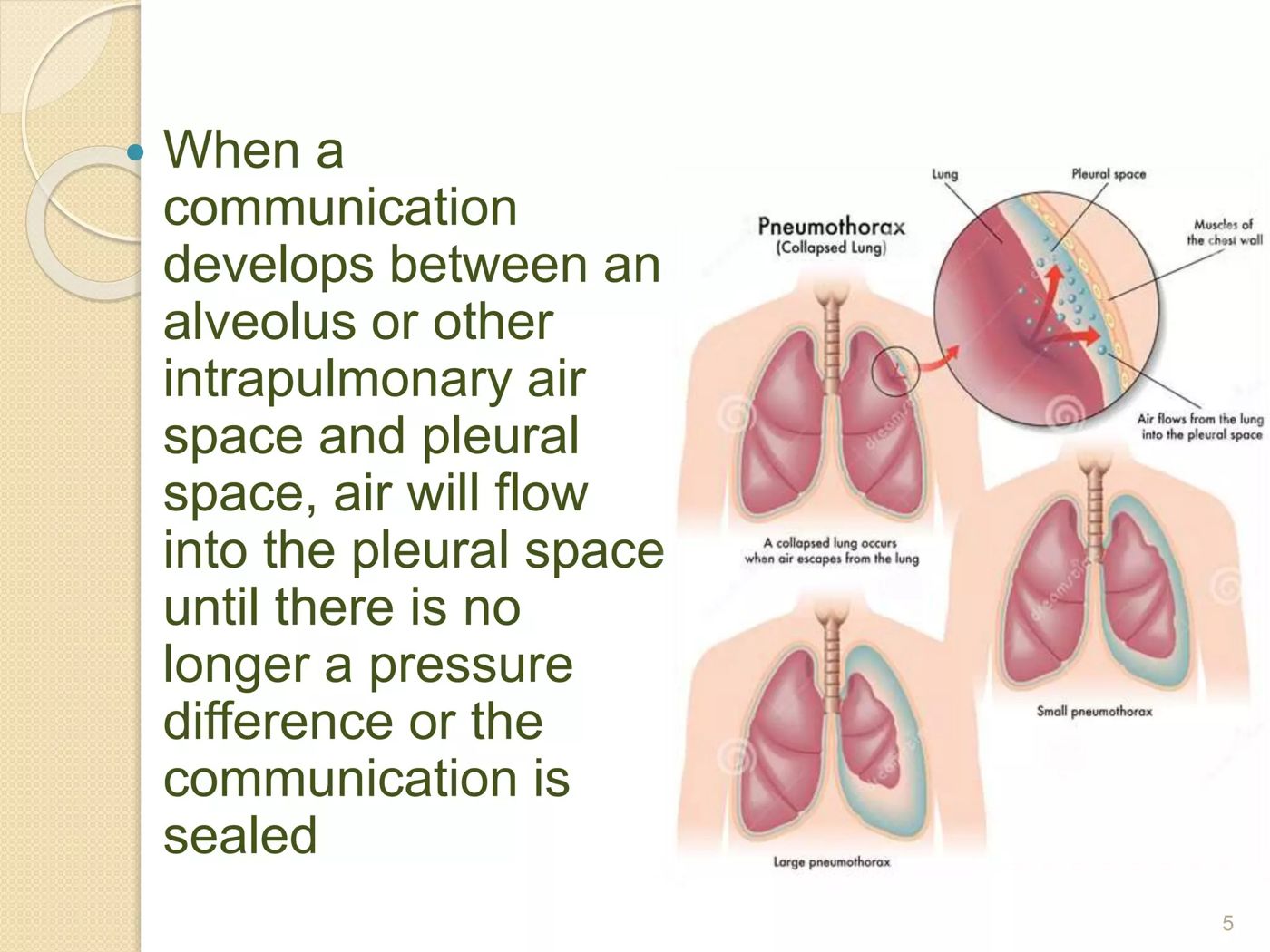
- A pneumothorax is air in the pleural space, which allows the lung to collapse away from the chest wall. (Pneumothorax)
- A lung abscess is a localised area of necrosis of lung parenchyma with a cavity (usually 2 cm or more) containing pus or necrotic debris, caused by infection. (Lung Abscess)
- Parapneumonic effusion and empyema, lung abscess, sepsis and septic shock, respiratory failure and ARDS, pleurisy, pericarditis, lobar collapse, metastatic infection (meningitis, endocarditis, arthritis), bronchiectasis (long term). (Pneumonia)
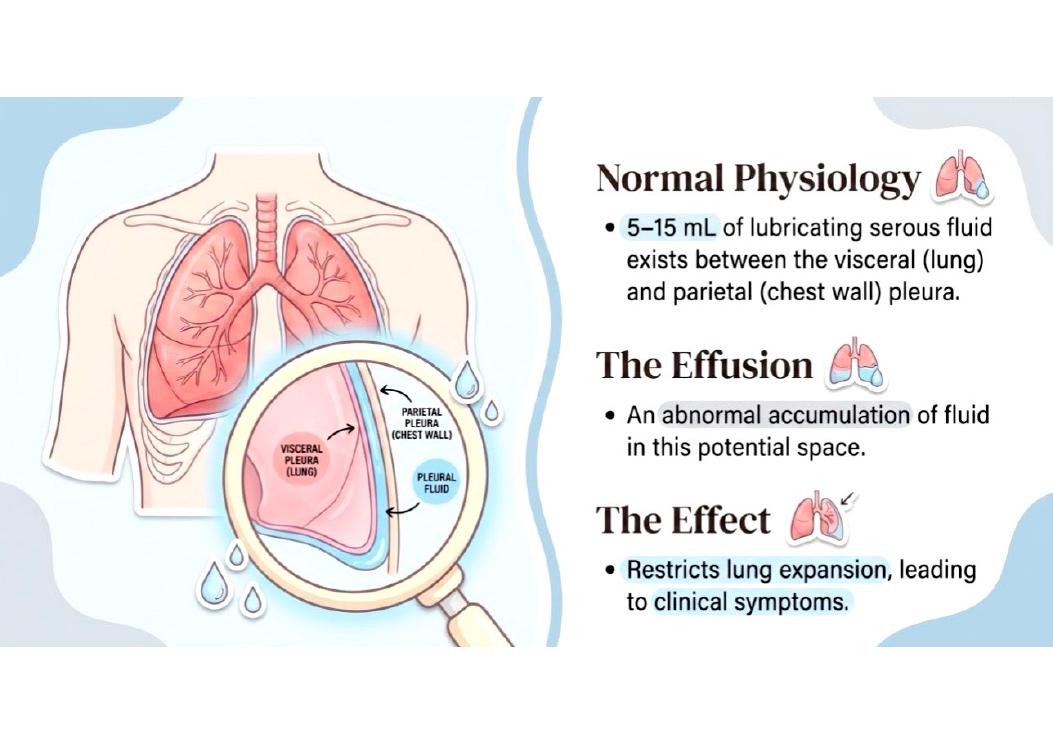
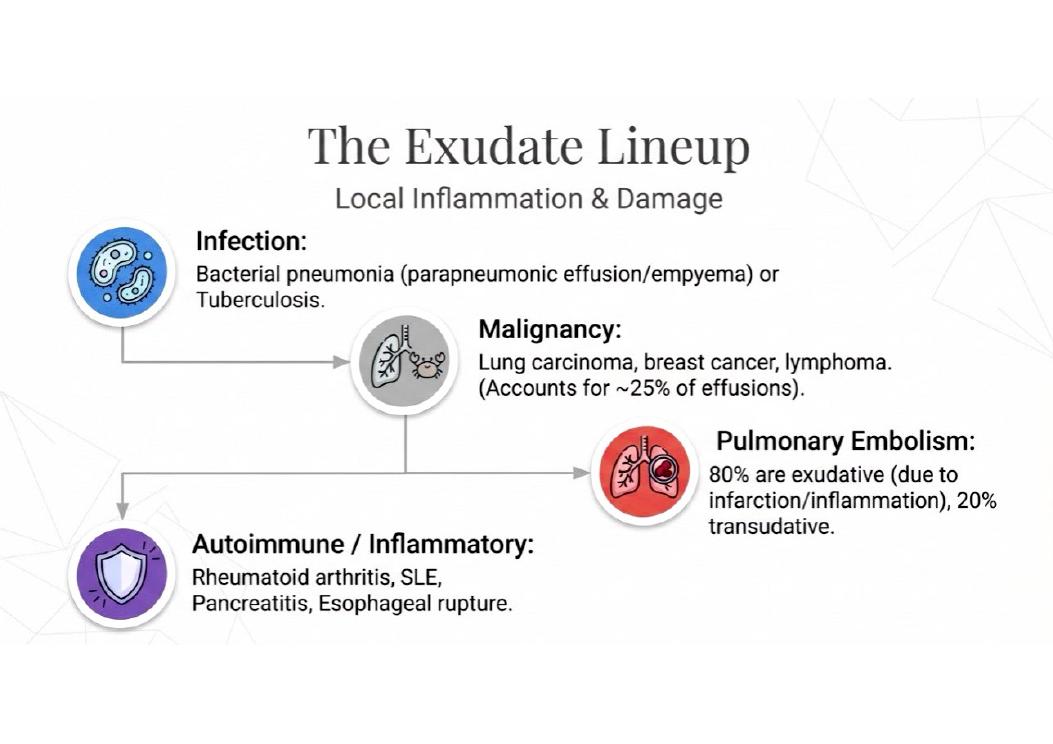
- | Nephrotic syndrome, hypoalbuminaemia | Malignancy (lung, breast, lymphoma, mesothelioma, metastases) | (Pleural Effusion)
- Empyema, pleural thickening and fibrosis (trapped lung), respiratory failure, re-expansion pulmonary oedema, pneumothorax and bleeding from aspiration. (Pleural Effusion)
Study material on Lung
- Lung Pathology — Must-Know
- Examination of Respiratory system
- Interstitial Lung Diseases
- Lung Pathology
- Lung Cancer
- Occupational Lung Disease
- Lung Abscess
- Respiratory system pathology mcqs
- Respiratory System Pathology 1A
- Respiratory Pathology 1b
- Lung Pathology
- Lung Tumours Conti...
- Lung Pathology
- Lung Tumours Conti...
- Lung Pathology — Must-Know
- MCQ: Respiratory System Pathology
Images
Practice questions on Lung
A 16-year-old is stabbed in the left chest. BP barely obtainable, lungs clear, heart sounds barely audible. What is the most useful treatment?
- Intravenous fluids and observation
- Needle decompression
- Pericardiocentesis
- Tube thoracostomy
Answer: D. The patient's hemodynamic instability (barely obtainable BP) and clear lungs with faint heart sounds after chest trauma strongly suggest cardiac tamponade. Tube thoracostomy is indicated to drain the pericardial space.
In examining a lung biopsy from a patient with sarcoidosis, noncaseating granulomas are seen. What distinguishes noncaseating from caseating granulomas?
- Noncaseating granulomas lack epithelioid macrophages
- Noncaseating granulomas have absent central necrosis
- Noncaseating granulomas contain more neutrophils
- Noncaseating granulomas lack giant cells
- Noncaseating granulomas indicate bacterial rather than immune etiology
Answer: B. Caseating vs noncaseating refers to the presence/absence of central necrosis. Caseating granulomas (TB, some fungi) have central caseous necrosis surrounded by epithelioid macrophages and Langhans giant cells. Noncaseating granulomas (sarcoidosis, Crohn disease, foreign body reactions) have collections of epithelioid macrophages and often giant cells BUT lack the central necrotic zone. BOTH types contain epithelioid
A 16-year-old is stabbed in the left chest. BP barely obtainable, lungs clear, heart sounds barely audible. Most useful treatment?
- Needle decompression
- Tube thoracostomy
- Pericardial window
- Cardiopulmonary resuscitation
Answer: B. The presentation of hypotension, clear lungs, and muffled heart sounds after chest trauma suggests a tension pneumothorax or hemothorax. Tube thoracostomy is the definitive treatment to evacuate air or blood from the pleural space and re-expand the lung.
A 16-year-old is stabbed in the left chest. BP barely obtainable, lungs clear, heart sounds barely audible. What is the most useful treatment?
- Intravenous fluids and observation
- Needle decompression of the chest
- Tube thoracostomy (chest tube insertion)
- Pericardial window
Answer: C. These signs (hypotension, muffled heart sounds, clear lungs on the stabbed side) are highly suggestive of cardiac tamponade secondary to hemopericardium. Tube thoracostomy is essential to drain the blood from the chest cavity, relieve pressure on the heart, and identify any ongoing bleeding. Needle decompression is for tension pneumothorax. Pericardial window is a surgical procedure to drain pericardial fluid.
A 16-year-old is stabbed in the left chest. BP barely obtainable, lungs clear, heart sounds barely audible. Most useful treatment?
- Needle decompression
- Tube thoracostomy
- Pericardial window
- Immediate sternotomy
Answer: B. The signs of shock (barely obtainable BP) and obscured heart sounds in the setting of chest trauma are highly suggestive of cardiac tamponade. Tube thoracostomy is the definitive treatment to drain the hemopericardium and relieve the tamponade.
A 16-year-old is stabbed in the left chest. BP barely obtainable, lungs clear, heart sounds barely audible. Most useful treatment?
- Intravenous fluids and observation
- Needle decompression of the chest
- Pericardial window
- Immediate thoracotomy
Answer: D. The presentation of barely obtainable blood pressure, clear lungs, and barely audible heart sounds after a chest stab wound is highly suggestive of cardiac tamponade. Needle decompression is for tension pneumothorax. Intravenous fluids may help but are insufficient alone. Immediate thoracotomy is an option for severe trauma but pericardial window is the definitive treatment for tamponade. However, in a situation of h