Spinal Cord
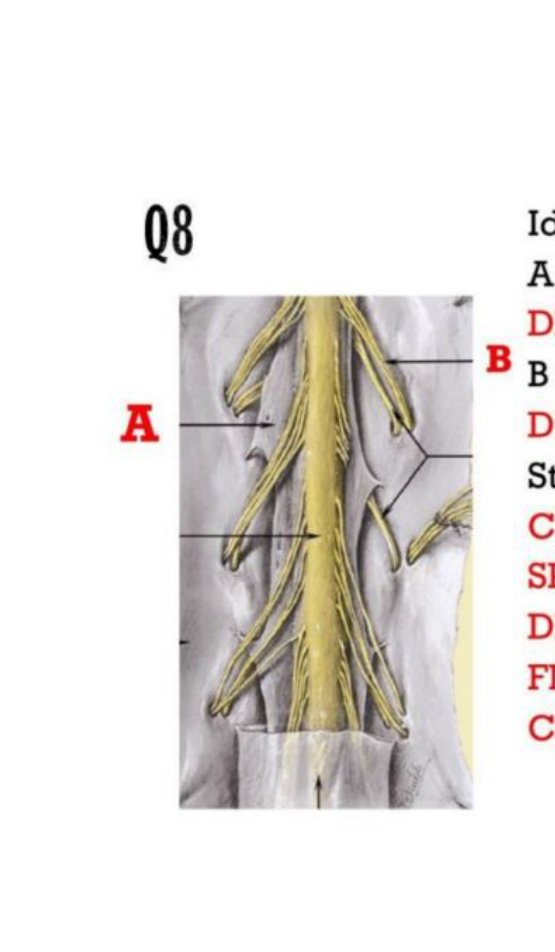
Sensory neurons whose axons form the dorsal roots of the spinal cord are bipolar
What our notes say
- Sensory neurons whose axons form the dorsal roots of the spinal cord are bipolar (cat 2 2014 — Source Paper Awaiting Edit)
- The most common location in children is the fourth ventricle, and in adults they are most often found in the spinal cord. (CNS PATHOLOGY — Past Paper Questions & Answers)
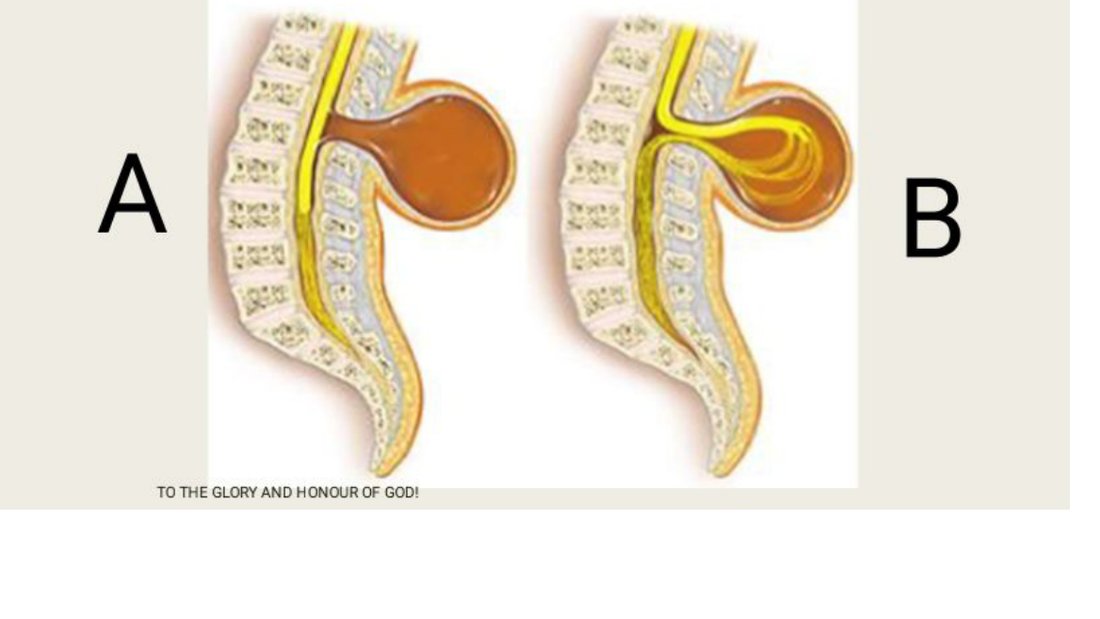
- Meningocele — herniation of the meninges (dura and arachnoid) through a vertebral defect, forming a fluid-filled sac covered by skin; the spinal cord itself remains in its normal position, so neurological deficit is uncommon. (General & Systemic Pathology SAQ Paper II — 15 July 2025 (MBPA 3500, MKU Year 3,)
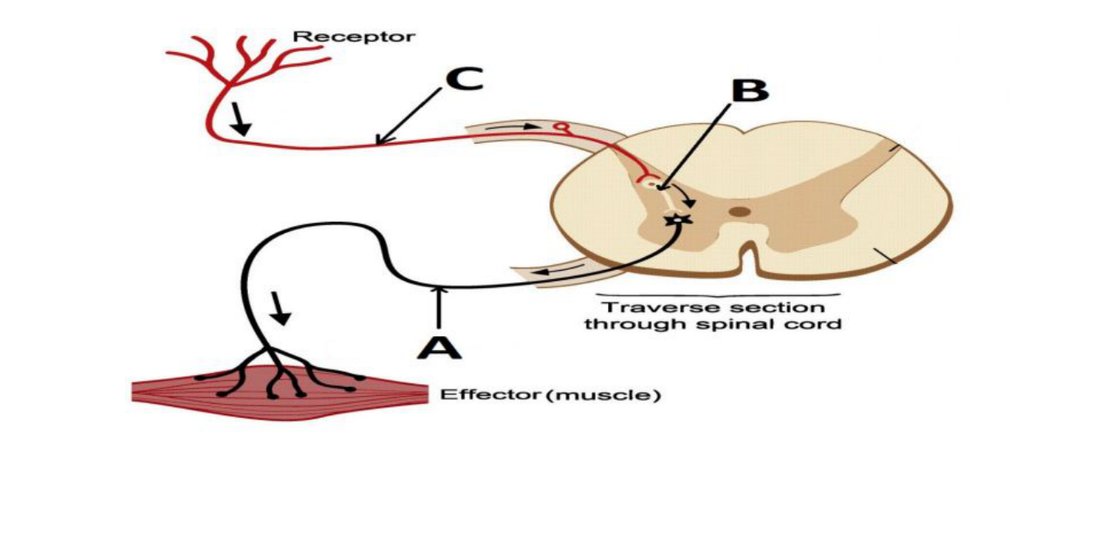
- Reflex arc is neural pathway that controls a reflex and synapse in the spinal cord thereby don't cause delay. (Medical Physiology Assorted SAQs — With Answers (Past Paper Study Guide))
- Emergencies: SVC obstruction, spinal cord compression, hypercalcaemia, massive haemoptysis, tracheal obstruction. (Lung Cancer)
- Nerve pathway: impulses travel up the spinal cord to the hypothalamus. (Paediatrics main exam (MBPE 4300): 24 January 2022, Paper One, 100 MCQs, 2 short)
Study material on Spinal Cord
- Spinal Cord Tracts: Ascending and Descending Pathways
- MEDICAL PHYSIOLOGY II ESsays
- cat 2 2014 — Source Paper Awaiting Edit
- Aponeurosis — Anatomy Question Bank
- Master First-Year Anatomy: Must-Know Essays & Key Concepts
- Physio Y1 EOY 2021
- Pathology of Demyelinating Diseases: MS, NMO, ADEM, CPM
- CNS PATHOLOGY
- Aponeurosis — Embryology Question Bank
- END YEAR PP1 & PP2 2025 Physiology: MCQs for Medical School Exams
Images
Practice questions on Spinal Cord
In which of the following ascending pathways or tracts do the secondary neurons decussate within the spinal cord?
- fasciculus cuneatus
- posterior spinocerebellar tracts
- fasciculus gracilis
- spinothalamic tracts
- Usually mediated by non-specific mechanisms
Answer: D. In the spinothalamic tract, second-order neurons cross (decussate) in the spinal cord at the level of entry, unlike the dorsal column pathways which decussate in the medulla. ---
Tetanospasmin, the toxin produced by Clostridium tetani, blocks the release of inhibitory neurotransmitters (GABA and glycine) at the spinal cord level, leading to uncontrolled muscle contraction.
- A) It blocks inhibitory neurotransmitters
- B) It inhibits muscle contraction
- C) It causes rapid muscle fatigue
- D) It directly damages muscle fibers
Answer: A. Tetanospasmin acts centrally by inhibiting the release of inhibitory neurotransmitters, leading to spastic paralysis. This means it disinhibits excitatory pathways, resulting in uncontrolled muscle excitation and contraction, not inhibition of contraction.
A man suffers a disease destroying only the motor neurons of the spinal cord below the thoracic region. Which aspect of sexual function would not be possible? ---
- Arousal
- Erection
- Lubrication
- Ejaculation
- Destroying lower motor neurons abolishes this. Psychogenic erection via higher centres could still occur.
Answer: D.